World's Most Expensive Trees Millionaire's Purchased
Prized for their hidden assets, the trees with the highest values
on the planet are not coveted for their beauty as an ornamental. They
aren't collectible species, and only grow in certain areas with a
tropical climate. Due to the incredible amount of money one can make
from a single tree, they are also threatened with extinction. When you Buy Plants, you may be buying treasures!
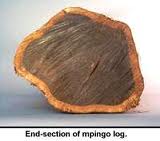
Known as Mpingo in the Tanzanian dialect, the wood from an African Blackwood (Dalbergia melanoxylon)
fetches $25,000 per cubic meter. That's roughly 10.7 square feet, which
translates to a piece of trunk measuring about 2-feet by 5-feet. The
wood is used to make the finest quality wind instruments, and highly
prized by wood carvers.
Once indigenous to four countries, this very slow-growing tree now
only exists in Tanzania and Northern Mozambique. It takes 50-70 years to
mature, and without sustainable forestry being practiced in Ethiopia
and Kenya, they no longer have this precious commodity. Things are
changing in Tanzania where collecting seed from the remaining trees and
replanting practices have begun, but not enough to supply the demand.
Used for a variety of purposes in the Eastern world, the aromatic oil
of the Agarwood tree (Aquillaria malaccensis) is the highest priced
aphrodisiac and essential oil you can buy. Possessing top quality oud
from trees in the wild in great quantities would make you very wealthy
instantly as it is pricier than gold. A pound of gold in the United
States currently has a value of just under $20,800. A pound of oud oil
is commands $25,000 on the market.
The heartwood is also valuable in India, Pakistan and Asia as
incense. This brings the value of an Aquillaria tree up sharply with the
price that its wood chips and powder commands. In China, a sapling
could bring upwards of $600, and a carving from the heartwood about
2-feet in length is worth about $125,000.
Oud oil has many waiting markets. It is used for healing, perfumes
and is highly sought after during religious holidays like Ramadan and
Eid. Oud incense is in use in homes and temples throughout this part of
the world. The Saudis spend 600 million on oud just for Ramadan.
Treasured for thousands of years, legal and illegal over harvesting
has made the wild Agarwood tree a rarity indeed. In recent years,
plantations are springing up across this part of the world, and while
the oil and wood harvested from a cultivated tree is still highly
valuable, its quality and market value is lower than that from a wild
tree.
Buy Trees
Monday, August 5, 2013
Botanists As Drunkards
Horticulture and alcohol are both institutions with a good amount of
overlap in their development. From the enthusiast working on his
vineyard for years to harvest just the right grape for the perfect
bottle of wine, to the bartender muddling the mint for a proper mojito,
it's easy to see that plants and flowers have been a useful component in
adding variety to, if not just inspiring, alcoholic drinks of various
kinds.
Here is but a sample of the drinks which use flowers, and/or the flowers used in certain drinks.
The above list is only a sample of the variety of drinks that brewers, vintners, and horticulturists have been able to develop around the world. While Europe has a rich variety of "grown drinks," you should always look into drinking a local specialty.
Here is but a sample of the drinks which use flowers, and/or the flowers used in certain drinks.
- Crème de Violette is French drink, reaching as far back as the 1800s, accented with violet (genus Viola) flavoring/essence. It had been unavailable in the United States for some time, until Rothman & Winter began importing a variety which made use of violets growing along the Alps.
- Creme Yvette could be considered a cousin to Crème de Violette. While both drinks make use of violets and have only recently been revived for American tastes, Creme Yvette is more akin to drinking a wide sample of the fruit section of your local produce department; in addition to the violets, it makes use of honey, various berries, vanilla, and even the zest of orange peels.
- Rosolio is a variety of Italian wine, especially noticeable around Sicily and Southern Italy, which mixes equal portions of sugar, alcohol, water, and the rose (genus Rosa) essence which gives the drink its namesake.
- St. Germain, like Creme Yvette, is a florid and delicious wine which combines a variety of fruit essences and juices with elderberry flowers (genus Sambucus).
- Anise (Pimpanella anisum) makes up a considerable number of herbal drinks around the world, beyond the infamous Absinthe and includes includes Spanish Patxaran, French Anisette and Pastis, Mexican Xtabentún, Greek Ouzo and Tsipouro, and even American-made Herbsaint. The country of Italy is especially experienced with utilizing anise in its liquors, with examples like Anisetta, Alpestre, Centerba (actually brewed with 100 different herbs; hence its name), Galliano, Dimmi (which involves Absinthe), Passione Nera, and Vespetrò.
The above list is only a sample of the variety of drinks that brewers, vintners, and horticulturists have been able to develop around the world. While Europe has a rich variety of "grown drinks," you should always look into drinking a local specialty.
Subscribe to:
Posts (Atom)